International students experience significant acculturative stress as they adjust to new cultural, academic, linguistic, and social environments. Acculturative stress is associated with anxiety, depression, identity conflict, and social isolation, yet culturally responsive interventions tailored specifically to international student populations remain limited. Art therapy has shown promise across diverse and displaced populations due to its nonverbal, culturally adaptable, and relational nature. However, its use as a culturally adapted intervention for acculturative stress among international students is underexplored.
This action research study implemented and evaluated a four-week culturally adapted group art therapy intervention for international students at Salem College. Approximately 10–15 participants who self-report acculturative stress engaged in weekly 60-minute sessions. A mixed-methods approach was used. Quantitative data from pre- and post-intervention acculturative stress scales was used to assess changes in stress levels, while qualitative data, including participant reflections, interviews, and researcher field notes, underwent thematic analysis. Findings aimed to inform culturally responsive mental health practices and contribute to scholarship on arts-based interventions supporting intercultural adaptation.
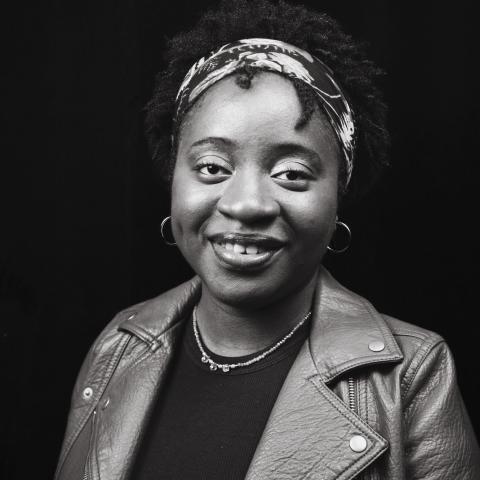
Mobolaji (Mo) Akande is an international student at Salem College, double-majoring in Psychology and Pre–Art Therapy. She’s passionate about understanding how people think, feel, and grow, and she loves exploring how creativity can be used as a tool for healing. Being an international student has shaped her perspective, giving her a deep appreciation for culture, identity, and community.