Artificial Intelligence (AI) is becoming an increasingly important part of modern cancer care, evolving into a comprehensive framework that can span from early screening to long-term survival prediction. This study aims to discover the effects of integrating AI into clinical practice, specifically in radiologic cancer diagnosis and prognosis. In women, breast cancer is the most commonly diagnosed form of cancer. AI is currently being used as a powerful clinical tool that is transforming breast cancer diagnosis by healthcare providers by increasing work efficiency and consistency. Through literature review, applications of multimodal data, including imaging, tumor biology and characteristics, diagnosis, and prognostic indicators, to improve clinical decision-making are examined. The findings provide insight on clinical implications, specifically on work efficiency, AI models and algorithms trained on tumor genetics and physical characteristics, AI capabilities of reducing biopsies, AI potential to be biased, and environmental concerns with the upkeep of AI models.
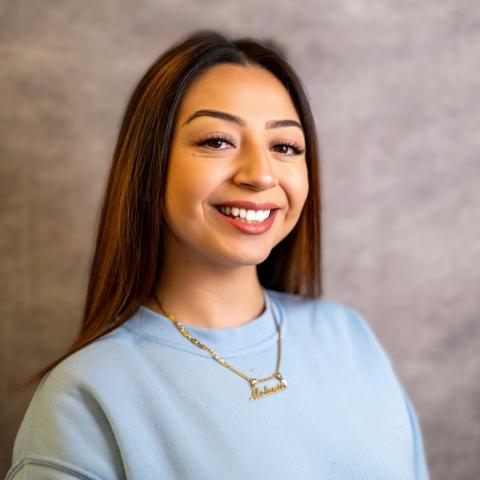
Melanie Tellez is a graduating senior pursuing a Bachelor of Science in Health Science and two minors in Public Health and Spanish for Health Professions. During her time at Salem, Melanie has been a two-time Hispanic Organization for Leadership and Achievement (H.O.L.A.) president, president of the Off-Campus Association, cheer team captain, and a mentor for the NASA Bridge program in 2024. Beyond Salem College, Melanie hopes to continue her studies with a radiologic technology program and pursue a career in medical dosimetry.