

This project presents a systems-level analysis of mental health within Forsyth County's behavioral health landscape, applying a complex adaptive systems framework to identify high-leverage points for strategic intervention and community education. Central to this analysis is an examination of how integrated peer-support networks, reinforced by recent state investments in crisis diversion and peer respite infrastructure, can disrupt reinforcing cycles of recidivism and untreated mental illness, while simultaneously reducing stigma among disenfranchised populations. This assessment draws on publicly available county-level data, including the 2023 State of the County Health (SOTCH) Report, Department of Public Health publications, census demographics, and regional suicide trend reporting, with an analysis of local agency partnerships and crisis response infrastructures such as Crisis Intervention Team (CIT) models, mobile crisis services, and peer-support programming.
We further explore how targeted funding and resource allocation enhance connectivity across the broader community, drawing on diversion research and local crisis response models operating within Forsyth County. We propose a scalable, evidence-informed framework to drive sustainable social change and improve public health outcomes in the region. In practical terms, this means that these structural advances are frequently undermined by a pervasive lack of accessible information and the rapid spread of medical disinformation, which creates barriers to care and cultivates systemic mistrust among vulnerable populations. By mapping these informational voids, we identify how tailored communication strategies can counteract false narratives and bridge the gap between public institutions and the communities they serve.
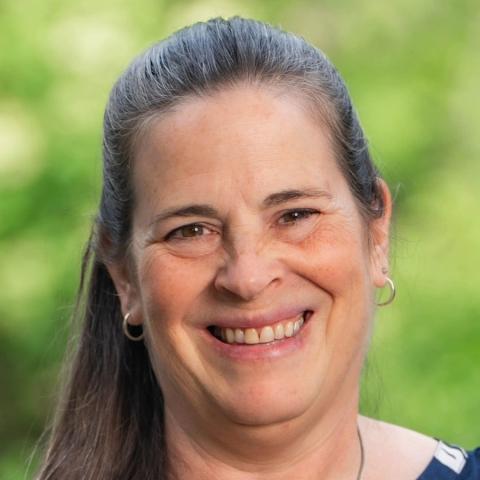
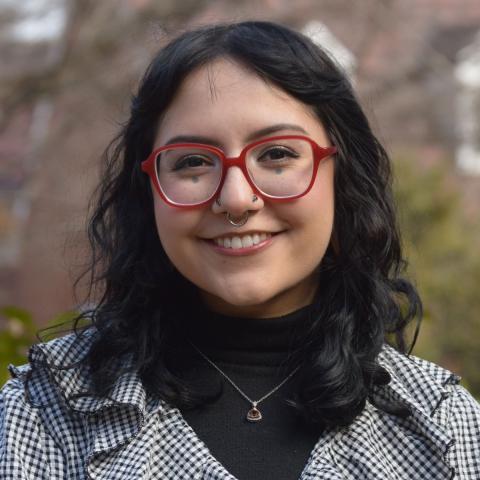
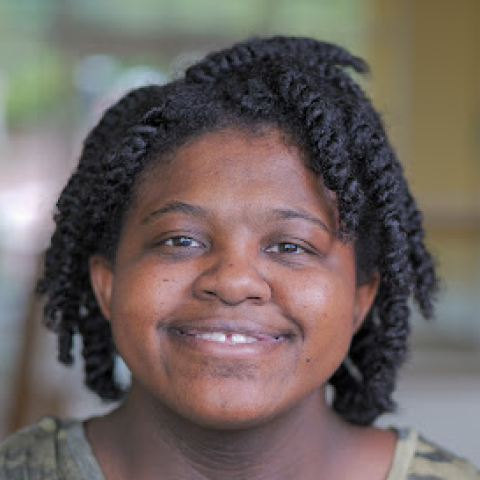
Katherine Hofmann is a senior majoring in Nonprofit Management and Community Leadership and minoring in Religious Studies. She will be enhancing her Salem College education this Fall when she begins her Master's in Divinity at Wake Forest University School of Divinity. Katherine is a dedicated social justice advocate with a focus on Prison Ministry and Abolition, transformation, and faith formation.
Lauren Hutchens is a junior at Salem College, majoring in Sociology with double minors in Business Administration and Political Science. She is a passionate advocate for equal educational access and mental health awareness. Her future goal is to help others make the world a better place.
Nanu Pardo is an emerging nonprofit development professional currently serving as Development & Grant Manager at Twin City Harm Reduction Collective, where they focus on securing sustainable funding, writing compelling grant proposals, and building authentic community partnerships. Drawing on internship experience with the City of Winston-Salem and growing up as a child of immigrants, Nanu brings a community-driven and culturally informed approach to nonprofit leadership and development. They are completing a Bachelor of Arts in Nonprofit Management and Community Leadership at Salem College.
Malia Rodman has completed internships with Jim Shaw Ace Academy, H.I. Y.I.E.L.D. Youth Summer Program, and Crisis Control Ministry by working with the community to resolve hardships and educate people on future goals. Her career goal is early childhood education. Her major is Sociology with a double minor in Psychology and Public Health.
Sylvetta Swann is a senior who is majoring in Political Science and Business Administration. She has dedicated many years to her respective degree programs and plans to transition into law school. Her ultimate goal is to have a degree in juris prudence, which means she will be a judge. Sylvetta Swann is most passionate about her career goals because she will be able to participate in a profession that helps her advocate on the behalf of others who may be disenfranchised, protect the rights of individuals who may not know their rights, and more importantly uplift the community she lives in through education and proper enforcement of laws.