Environmental contaminants like Personal Care Products and Pharmaceuticals (PCPPs), pesticides, polychlorinated biphenyls (PCBs), wastewater treatments, and gestagens are all prominent throughout the environment in the United States and have been found to affect reproductive success within various freshwater fish species. For example, various freshwater fish species that have been exposed to environmental contaminants have shown signs of reproductive issues like reduced oocyte production in female fish and reduced sperm production in male fish. There is notable research on how the exposed (F0) generation’s reproduction is affected by the environmental contaminants, as well as some notable information on the two subsequent, unexposed generations, F0’s offspring (F1 generation) and F0’s grand-offspring (F2 generation). However, there is little to no research on the varying effects for trans-generational reproductive success after the grand-offspring generation (F2). The purpose of the current research is to explore possible explanations for reproductive issues that could be occurring far past the originally exposed generation. There are a few studies published finding that the great grand-offspring (F3) and even great, great grand-offspring (F4) show signs of transgenerational effects caused by the ancestors’ exposure to environmental contaminants. Later generations are showing consequences similar to those of earlier generations, including reduced oocyte and reduced sperm counts, as compared to pre-exposure generations. Studies of mechanisms responsible for these later generation effects indicate that DNA methylation is causing multigenerational and trans-generational effects.
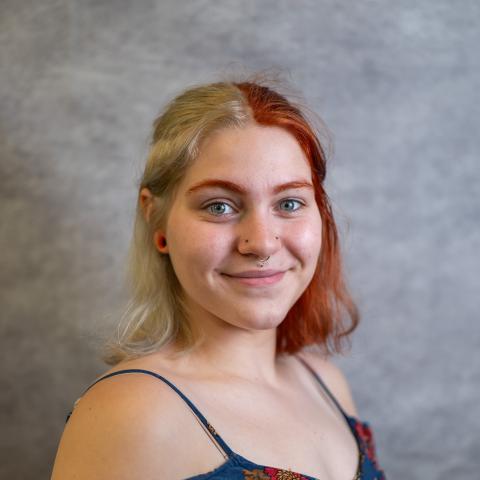
Artem Watson is a senior planning to graduate in May 2026 with a major in Biology and a minor in Sociology with a concentration in Criminology. From growing up in Corning, NY to attending Salem College, their love for animals and biology has never ceased. They plan to pursue a career in rescue and rehabilitation of various wildlife species, as well as work in conservation efforts to protect the future of the environment and wildlife. They dedicate this presentation to their amazing teachers at Salem, their friends and their family.